Crime & Safety
Protecting Yourself from Credit Card Fraud
In the wake of a major credit card fraud scam at a gas station in Sierra Madre in December, South Pasadena Police Detectives offer tips on how people can protect themselves from credit card fraud.

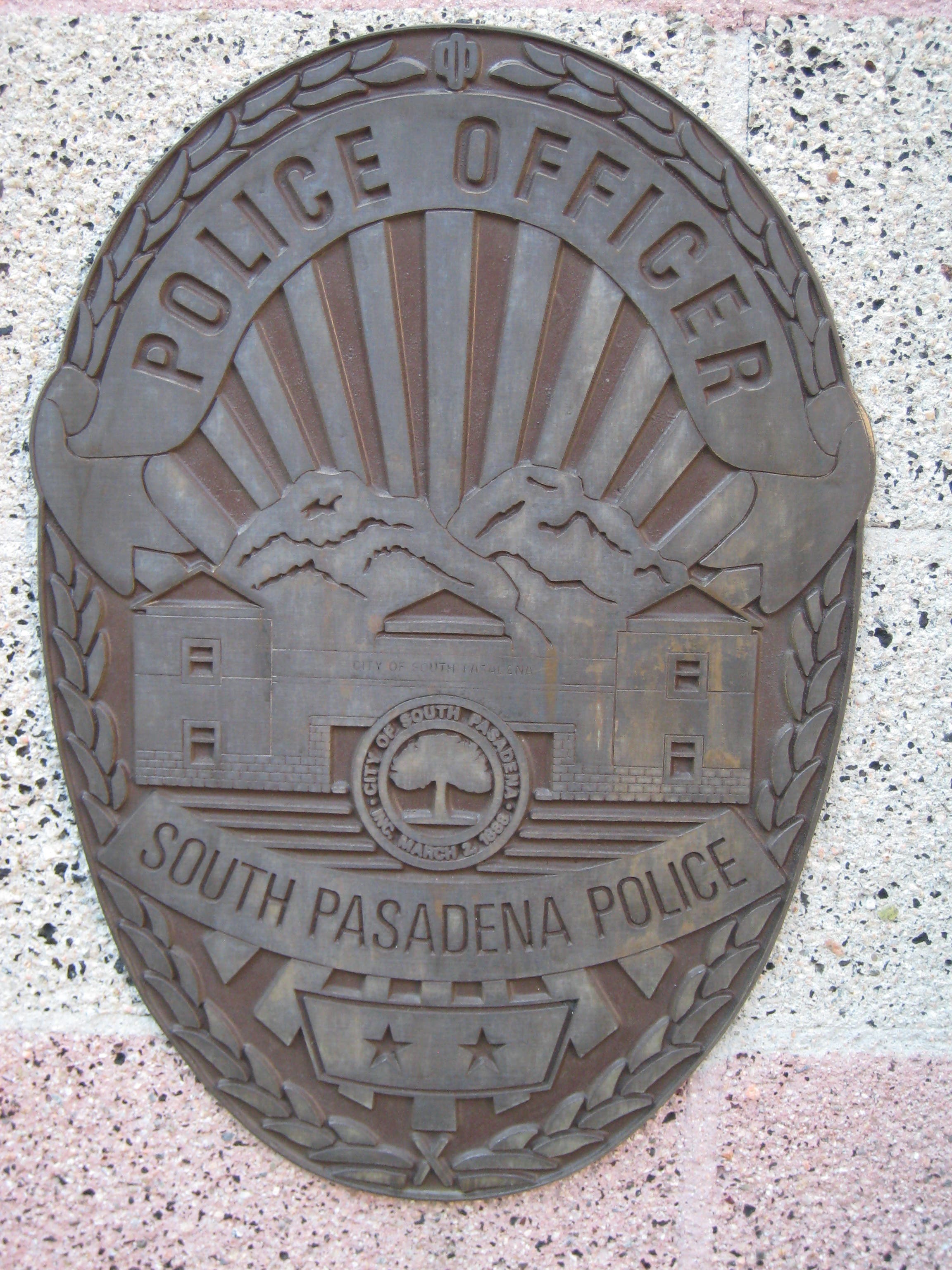
With the rise of credit card fraud and the publicity surrounding the this past December, South Pasadena Police Detectives offered tips on how to avoid being the victim of fraud.
According to Detective Richard Lee, the South Pasadena Police Department receives an average of one credit card fraud report per week. These reports range from stolen mail to credit card skimmers, which are devices that capture credit card account numbers and other personal information from a card's magnetic strip.
Sgt. Tony Abdalla said skimming is a more unusual occurrence in South Pasadena, although it does happen, as it did at the Sierra Madre gas station. "Most often, skimming devices are placed in gas stations on off hours," Sgt. Abdalla said. "We're out there actively looking."
Find out what's happening in South Pasadenawith free, real-time updates from Patch.
Lee noted an incident a few months ago where witnesses spotted a suspect tampering with a credit card compartment on a gas pump at the Chevron station, only a block away from the police department. Police stopped the suspect before he could capture credit card numbers from a skimmer he tried to install.
Lee also said credit cards are safer to use than debit cards. "Credit cards have a lot more buyer protection," he said. "Criminals prefer debit cards, since they are connected to checking accounts and they are able to make cash withdrawals," he wrote in a recent crime newsletter.
Find out what's happening in South Pasadenawith free, real-time updates from Patch.
Tips from South Pasadena Police Detectives:
- When using any ATM, look for any signs of tampering. Give the card reader a quick tug to see if a skimmer has been placed over it.
- Cover your hand when entering your PIN. Keep a watch for “shoulder surfers.”
- Notify your bank when you leave and return to the country.
- Review credit card statements on a regular basis.
- Shred any old credit cards, statements and receipts.
- Keep a record of your account numbers and bank contact phone number.
- Notify your bank immediately should you suspect any fraudulent charges.
- Check the authenticity of merchants before ordering online and be sure to use a secure web browser.
- Be careful with outgoing and incoming mail. Get a P.O. Box or a mailbox with a lock to protect your new credit or debit cards, bank statements and credit card statements. Do not put outgoing bills in your mailbox.
- Pay attention to billing cycles. Immediately call your bank or credit card company if you don't receive your bill.
- To avoid check fraud, guard your checkbook like cash, reconcile your statements and shred old or canceled checks. Also, never endorse a check until you are ready to deposit it.
Get more local news delivered straight to your inbox. Sign up for free Patch newsletters and alerts.